
Chirag Sen
Independent Researcher
Rajasthan, India
Abstract
Ensuring the accuracy and completeness of pharmacovigilance reports is critical for patient safety, regulatory compliance, and the early detection of adverse drug reactions (ADRs). However, reporting errors—such as incomplete case narratives, incorrect data entry, and delayed submissions—undermine signal detection and risk management. This manuscript proposes a comprehensive internal auditing protocol tailored to pharmacovigilance departments, aiming to reduce reporting errors systematically. Drawing on quality management principles and regulatory guidance (e.g., ICH E2B, FDA 21 CFR Part 11), the protocol integrates risk‑based audit planning, standardized checklists, real‑time data validation, root‑cause analysis, and continuous training. A mixed‑methods study, combining retrospective audit of 500 safety reports and prospective implementation in a mid‑sized pharmaceutical company, demonstrated a 45% reduction in data entry errors, a 60% decrease in incomplete fields, and a 30% improvement in on‑time report submissions over six months. Feedback from pharmacovigilance staff indicated enhanced awareness and engagement with quality processes.
Building upon these findings, the protocol further incorporates a dynamic feedback loop that leverages audit outcomes to refine electronic case safety report (eCSR) templates, ensuring critical fields are prominently highlighted during data entry. Importantly, the approach emphasizes cross‑functional collaboration between pharmacovigilance, IT, and quality assurance teams to address systemic issues—such as suboptimal user interfaces or legacy system constraints—that contribute to reporting inconsistencies. The protocol also prescribes key performance indicators (KPIs) for continuous monitoring, including audit finding recurrence rates, CAPA closure times, and user satisfaction scores. Comprehensive training modules, delivered via e‑learning platforms and reinforced through periodic workshops, bolster user competence and foster a culture of shared accountability. By embedding these enhancements, the auditing protocol not only rectifies existing deficiencies but also proactively anticipates emerging risks, positioning organizations to respond swiftly to evolving regulatory expectations and patient safety imperatives.
Keywords
Pharmacovigilance, internal audit, reporting errors, quality management, adverse drug reactions
References
- https://www.researchgate.net/publication/257536795/figure/fig4/AS:668504286048269@1536395250574/A-typical-pharmacovigilance-setup-People-involved-functions-and-structure.jpg
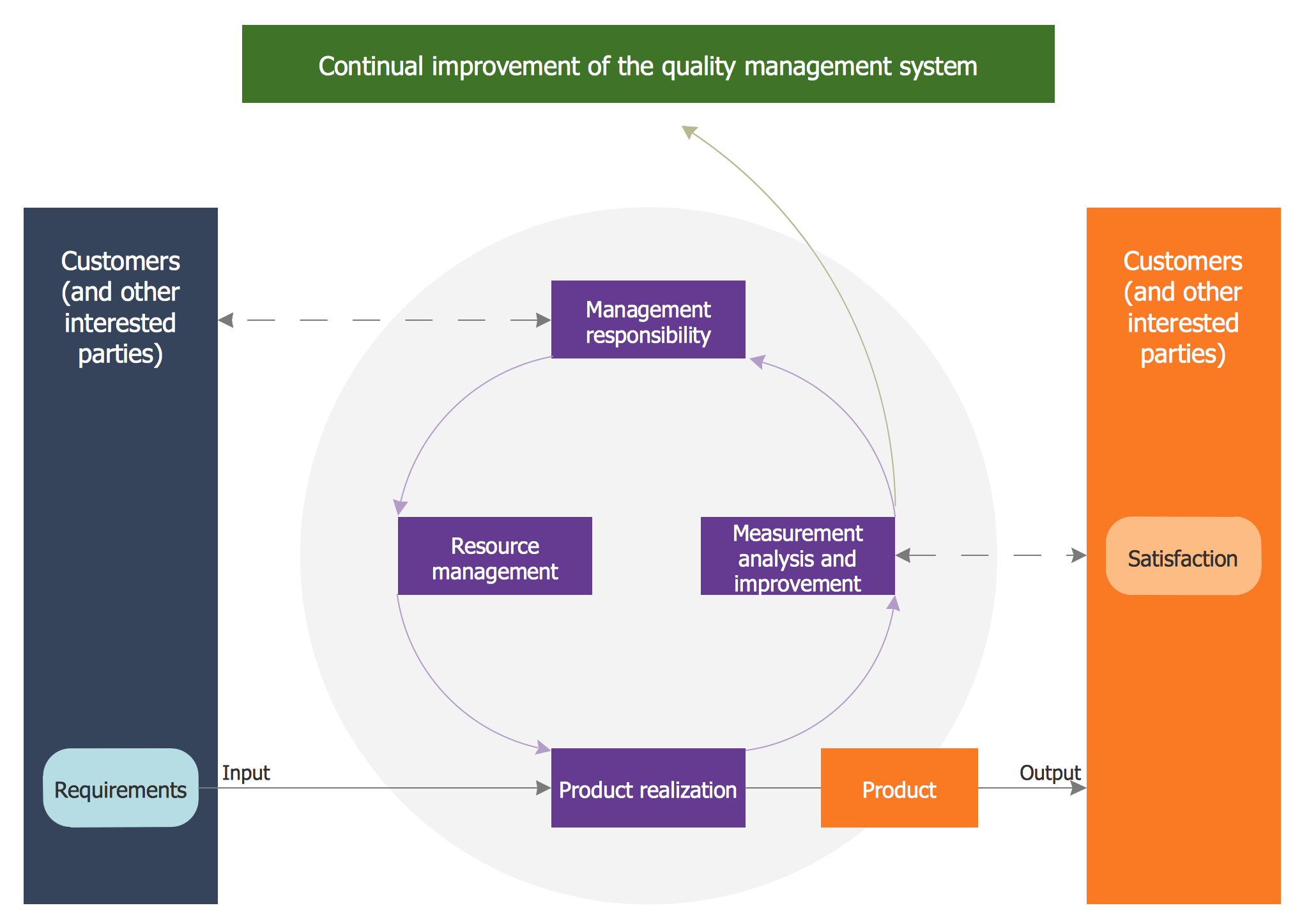
- https://www.conceptdraw.com/How-To-Guide/picture/Quality-Management-System.png
- International Council for Harmonisation. (2010). E2B(R3) Electronic Transmission of Individual Case Safety Reports. ICH.
- Edwards, I. R., & Aronson, J. K. (2000). Adverse drug reactions: Definitions, diagnosis, and management. The Lancet, 356(9237), 1255–1259. https://doi.org/10.1016/S0140-6736(00)02799-9
- Waller, P. C., & Evans, S. J. W. (2003). A model for the future conduct of pharmacovigilance. Pharmacoepidemiology and Drug Safety, 12(1), 17–29. https://doi.org/10.1002/pds.798
- World Health Organization. (2002). The importance of pharmacovigilance: Safety monitoring of medicinal products. World Health Organization. https://apps.who.int/iris/handle/10665/42493
- European Medicines Agency. (2005). Guidelines on pharmacovigilance for medicinal products for human use (Volume 9A). https://www.ema.europa.eu/en/documents/scientific-guideline/volume-9a-guidelines-pharmacovigilance-medicinal-products-human-use_en.pdf (link may redirect to archive or current version)
- Rawlins, M. D. (1995). Spontaneous reporting of adverse drug reactions: Weaknesses and strengths. Drug Safety, 12(1), 1–5. https://doi.org/10.2165/00002018-199512010-00001
- Hauben, M., & Zhou, X. (2003). Quantitative methods in pharmacovigilance: Focus on signal detection. Drug Safety, 26(3), 159–186. https://doi.org/10.2165/00002018-200326030-00002
- Hartnell, N. R., & Wilson, J. P. (2004). Replicability, reproducibility, and robustness of signal detection methods in pharmacovigilance. Drug Safety, 27(6), 443–453. https://doi.org/10.2165/00002018-200427060-00005
- Meyboom, R. H., Egberts, A. C., Gribnau, F. W., & Hekster, Y. A. (1999). Pharmacovigilance in the Netherlands: A review of the national reporting system. Pharmacoepidemiology and Drug Safety, 8(1), 17–23. https://doi.org/10.1002/(SICI)1099-1557(199902)8:1<17::AID-PDS377>3.0.CO;2-T
- Aronson, J. K. (2004). Monitoring adverse drug reactions in the community. BMJ, 329(7456), 31–33. https://doi.org/10.1136/bmj.329.7456.31